Richard Stallman
b. 1953 • Age 73
United States
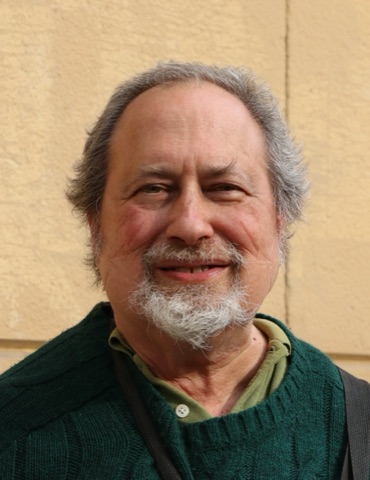
About
Richard Stallman, born in 1953, is an American programmer and philosopher who founded the free software movement. Raised in MIT's legendary hacker culture of the 1970s, Stallman witnessed the erosion of software freedom in the 1980s—manufacturers began locking down source code, restricting modification and sharing. He resolved to reverse this trend.
In 1983, Stallman announced the GNU Project with an audacious goal: create a completely free, Unix-compatible operating system. GNU, a recursive acronym for "GNU's Not Unix," symbolized both homage to Unix's principles and defiant independence. This wasn't merely a technical project; it was a stand for freedom.
In 1985, Stallman founded the Free Software Foundation (FSF) to provide institutional backing and legal defense for free software. Two years later, he published the GNU General Public License (GPL), a revolutionary legal instrument that did more than permit code reuse—it established "copyleft," a mechanism ensuring that software freedom is preserved across generations. If you modify GPL code, you must share that freedom forward; the license is designed so that liberty cannot be revoked.
Stallman's creations—GNU Emacs (arguably the most powerful text editor) and the GNU Compiler Collection (GCC, the foundation of C compilation worldwide)—proved that free software could match or exceed proprietary tools in power and reliability. When combined with Linus Torvalds' Linux kernel, GNU tools formed the complete free operating system ecosystem that powers billions of devices today.
Anecdotes
Stallman is known for his uncompromising commitment to principle. He uses only free software and famously refuses to use devices with proprietary firmware. His conviction is not performative; it flows from a coherent philosophy.
The printer incident at MIT encapsulates his reasoning. When the lab's printer malfunctioned, Stallman requested the source code to fix it. Denied, he realized that software users are powerless without access to the code they depend on. This moment crystallized his understanding that software freedom is not a luxury but a necessity—and that source code access is a form of freedom of information essential to human autonomy.
Stallman distinguishes sharply between "free software" (a matter of freedom) and "open source" (a development model). In his view, software freedom is a political and ethical issue, not merely a technical convenience. This philosophical rigor, sometimes frustrating to pragmatists, has been his greatest strength: it rooted the free software movement in principle rather than corporate interest, allowing it to survive and thrive even as "open source" became a business strategy.
Achievements
- 1983Announced the GNU Project, declaring intent to create a free Unix-like system
- 1985Founded the Free Software Foundation (FSF)
- 1989Published the GNU General Public License (GPL), establishing copyleft
- 1991Core GNU tools (Emacs, GCC) mature; foundation for Linux ecosystem
Books
- Free Software, Free Society: Selected Essays of Richard M. Stallman (2015)
- GNU Emacs Manual (2002)